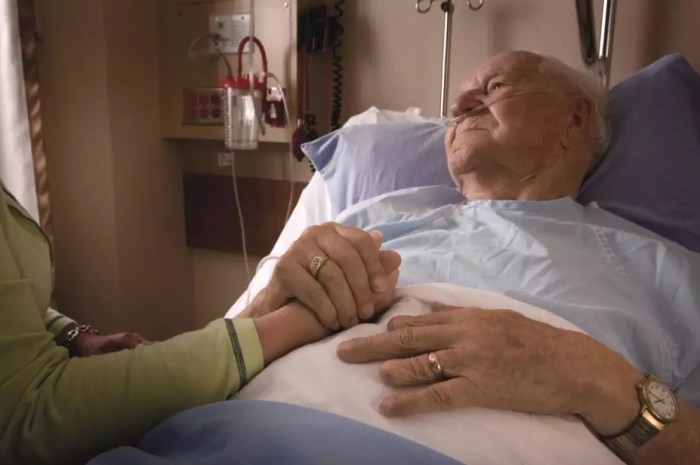
Palliative care for the dying represents a compassionate approach to end-of-life care, focusing on improving the quality of life for patients and their families. It differs significantly from hospice care, which typically begins when a life expectancy of six months or less is anticipated. Palliative care, however, can begin at any point during a serious illness, even alongside curative treatments.
This holistic approach addresses not only the physical symptoms but also the emotional, spiritual, and social needs of the patient and their loved ones, ensuring a more peaceful and dignified end-of-life experience.
The core principles of palliative care emphasize pain and symptom management, alongside emotional and spiritual support. A multidisciplinary team, including physicians, nurses, social workers, chaplains, and other specialists, collaborates to create a personalized care plan tailored to each individual’s unique needs and preferences. This collaborative approach ensures comprehensive care addressing the multifaceted challenges of a terminal illness, promoting comfort, dignity, and a sense of peace during a difficult time.
Emotional and Spiritual Support for the Dying and their Families: Palliative Care For The Dying
Providing emotional and spiritual support is a crucial aspect of palliative care, recognizing the profound impact of a life-limiting illness on both patients and their loved ones. The dying process presents unique challenges that require sensitive and compassionate care to navigate the complex emotional and spiritual landscape.
The emotional challenges faced during this period are multifaceted and deeply personal. Patients may grapple with a range of feelings including fear, anxiety, depression, anger, and regret, often fluctuating in intensity. Simultaneously, family members experience a parallel emotional rollercoaster, often burdened by guilt, helplessness, and anticipatory grief. The weight of caring for a loved one nearing the end of life can be immense, leading to caregiver burnout and its own set of emotional and physical health consequences.
Addressing Grief, Anxiety, and Depression
Effective strategies for managing grief, anxiety, and depression involve a multi-pronged approach. For patients, this might include individual or group therapy, medication management (where appropriate), and relaxation techniques such as mindfulness or deep breathing exercises. Caregivers benefit from similar support systems, including access to respite care, support groups specifically designed for caregivers of the dying, and counseling to process their own emotions and learn healthy coping mechanisms.
Open and honest communication between patients, families, and the palliative care team is essential for identifying needs and tailoring interventions accordingly. For instance, a patient struggling with anxiety might benefit from medication to manage their symptoms, coupled with relaxation techniques taught by a therapist, while a caregiver might find solace and practical advice in a support group.
Effective Communication Techniques for End-of-Life Issues
Open and honest communication is paramount. This involves creating a safe space where individuals feel comfortable expressing their fears, concerns, and wishes without judgment. Active listening, empathy, and validation are crucial communication skills. Using clear and simple language, avoiding medical jargon, and focusing on the patient’s emotional needs are vital. For example, instead of saying “Your prognosis is poor,” a more compassionate approach might be, “We’re facing some challenging times ahead, and I want to ensure you feel supported every step of the way.” Family meetings can facilitate shared decision-making and ensure everyone is informed and involved in the care plan.
Advance care planning discussions, involving the creation of advance directives, should be approached with sensitivity and understanding, allowing the patient to express their wishes regarding their care and end-of-life preferences.
The Role of Spiritual and Religious Beliefs in Coping with Death and Dying, Palliative care for the dying
Spiritual and religious beliefs play a significant role in how individuals cope with death and dying. For many, faith offers comfort, hope, and a sense of meaning in the face of mortality. Palliative care teams should be sensitive to and respectful of patients’ and families’ spiritual and religious beliefs, providing access to spiritual advisors or chaplains as needed.
This may involve facilitating prayer, meditation, or other spiritual practices that provide solace and support. Understanding the patient’s belief system allows the care team to tailor their approach to meet the individual’s unique spiritual needs. For example, a patient who finds comfort in prayer might benefit from regular visits from a chaplain, while another might find solace in meditation or spending time in nature.
Respecting these diverse beliefs is crucial for providing holistic and compassionate care.
Advance Care Planning and Decision-Making

Advance care planning (ACP) is the process of thinking about and documenting your wishes regarding your future medical care, particularly for when you are no longer able to make decisions for yourself. It’s a crucial step in ensuring your end-of-life care aligns with your values and preferences, providing peace of mind for both you and your loved ones. This planning allows you to maintain control over your healthcare even when you lack the capacity to communicate your choices.Advance care planning is not solely about death; it’s about ensuring your wishes are respected throughout your life, particularly during periods of serious illness.
It helps avoid difficult and potentially contentious decisions for your family during times of emotional distress. By proactively addressing your preferences, you reduce the burden on your family and healthcare providers while safeguarding your autonomy.
Types of Advance Directives
Advance directives are legal documents that Artikel your healthcare wishes. Two common types are living wills and durable powers of attorney for healthcare. Understanding the differences between these documents is key to effective advance care planning.
- Living Will: A living will specifies the types of medical treatment you want or don’t want to receive if you become terminally ill and unable to make decisions. This might include life-sustaining treatment such as mechanical ventilation or feeding tubes. A living will focuses on your wishes regarding specific medical interventions.
- Durable Power of Attorney for Healthcare (DPAHC): A DPAHC designates a trusted individual (your healthcare agent or proxy) to make healthcare decisions on your behalf if you become incapacitated. This person should be someone you deeply trust and who understands your values and wishes. Unlike a living will, which focuses on specific treatments, a DPAHC empowers someone to make broader healthcare decisions based on your known wishes and best interests.
Facilitating Meaningful Conversations about End-of-Life Wishes
Initiating conversations about end-of-life wishes can be challenging, but it is essential for effective ACP. Open communication with family, friends, and healthcare providers ensures your preferences are understood and respected.It’s helpful to start by creating a comfortable and private setting. Begin by sharing your thoughts and feelings about your own mortality and what matters most to you. Use open-ended questions to encourage dialogue and avoid pressuring anyone to respond immediately.
Consider using resources like advance care planning guides or websites to help structure the conversation. Remember to listen attentively to the responses of your loved ones, allowing them to express their concerns and perspectives. It is also important to be patient, recognizing that this is a sensitive and deeply personal process that may require multiple discussions. Regularly reviewing and updating your advance directives is also recommended, as circumstances and priorities can change over time.
Sample Advance Care Planning Document
This sample document Artikels key considerations. Remember, this is a template and should be adapted to reflect your individual circumstances and preferences. It is strongly recommended to consult with a legal professional to ensure the document is legally sound and accurately reflects your wishes.
| Section | Considerations |
|---|---|
| Personal Information | Full Name, Date of Birth, Address, Contact Information |
| Healthcare Agent | Name, Address, Contact Information, Relationship to you |
| Living Will | Specify your wishes regarding life-sustaining treatment (e.g., cardiopulmonary resuscitation (CPR), mechanical ventilation, artificial nutrition and hydration) under various circumstances (e.g., terminal illness, persistent vegetative state). Clearly state what treatments you want and don’t want. |
| Durable Power of Attorney for Healthcare | Clearly state that you are appointing your chosen agent to make healthcare decisions on your behalf if you are unable to do so. Include any specific instructions or guidelines for your agent. |
| Other Wishes | Include any other wishes regarding pain management, comfort care, location of care, or funeral arrangements. |
| Signatures and Dates | Your signature, date, and the signature and date of a witness (required in some jurisdictions). |
Death, Dying, and the Process of Bereavement
Understanding the process of death, dying, and subsequent bereavement is crucial for providing comprehensive palliative care. This involves recognizing the physiological changes experienced by the dying individual, acknowledging the emotional stages of grief, and identifying available support systems for grieving families. Furthermore, recognizing the diverse cultural and religious perspectives surrounding death and dying allows for more sensitive and culturally appropriate care.
Physiological Changes During the Dying Process
The dying process is characterized by a series of physiological changes that vary depending on the underlying illness and individual factors. These changes often occur gradually, but can also be rapid in some cases. Common physiological changes include decreased appetite and thirst, changes in breathing patterns (including periods of apnea), decreased urine output, changes in skin temperature and color, and decreased level of consciousness.
These changes are not necessarily indicators of immediate death, but rather reflect the body’s natural shutdown process. For instance, a decrease in appetite might manifest as a loss of interest in food and drink, leading to decreased food intake and potential weight loss. Changes in breathing might include periods of shallow breathing followed by pauses, often referred to as Cheyne-Stokes respiration.
These changes should be monitored and managed to provide comfort to the dying person.
Stages of Grief and Bereavement
While grief is a highly personal experience, several common stages are often described. It’s important to note that these stages are not linear; individuals may experience them in different orders, skip stages, or revisit them repeatedly. These stages include denial, anger, bargaining, depression, and acceptance. Denial might involve difficulty accepting the reality of the loss. Anger could manifest as frustration towards oneself, others, or even a higher power.
Bargaining may involve attempts to negotiate with fate or a higher power to prolong life or reverse the loss. Depression involves intense sadness and despair. Acceptance involves coming to terms with the loss and beginning to adjust to life without the deceased. These stages can be deeply emotional and impact individuals in various ways, impacting their daily life, relationships, and overall well-being.
Support Systems for Grieving Families
Numerous support systems are available to help grieving families navigate their loss. These include grief counseling, support groups, spiritual advisors, and community resources. Grief counseling offers personalized support from trained professionals, allowing individuals to process their emotions and develop coping mechanisms. Support groups provide a sense of community and shared experience, allowing individuals to connect with others who understand their grief.
Spiritual advisors offer comfort and guidance based on religious or spiritual beliefs. Community resources, such as hospices and palliative care organizations, often provide access to a range of services, including bereavement support. For example, many hospices offer follow-up bereavement support for families for up to a year after the death of a loved one. Access to these resources can significantly improve the coping process for families during a difficult time.
Cultural and Religious Perspectives on Death and Dying
Cultural and religious beliefs significantly shape how individuals and families approach death and dying. Different cultures have unique rituals, traditions, and beliefs surrounding death, including funeral practices, mourning periods, and afterlife beliefs. For example, some cultures emphasize elaborate funeral ceremonies, while others prefer simpler, more private arrangements. Religious beliefs often provide comfort, guidance, and a framework for understanding death and the afterlife.
Understanding these diverse perspectives is crucial for providing culturally sensitive and respectful care. Providing care that is mindful of these beliefs helps ensure that the dying person’s wishes and cultural traditions are honored, leading to a more peaceful and meaningful experience.
Ethical Considerations in Palliative Care
Palliative care, while focused on improving the quality of life for individuals facing serious illness, inevitably presents complex ethical dilemmas. These challenges arise from the inherent tension between prolonging life and respecting patient autonomy, as well as the need to balance the benefits and burdens of treatment. Navigating these ethical complexities requires a careful consideration of established medical ethics principles and a collaborative approach involving healthcare professionals, patients, and their families.
Potential Ethical Dilemmas in Palliative Care
Ethical dilemmas in palliative care frequently involve difficult decisions regarding the initiation, continuation, or withdrawal of life-sustaining treatments. These decisions are often emotionally charged and necessitate a thorough understanding of the patient’s wishes, values, and prognosis. For example, a patient may have a terminal illness with a poor prognosis, but still desire aggressive treatment even if it causes significant discomfort.
Conversely, a patient may wish to forgo life-sustaining treatment to prioritize comfort and dignity in their final days. The potential for conflict between the patient’s wishes and the medical team’s recommendations underscores the need for clear communication and shared decision-making.
The Principles of Medical Ethics in End-of-Life Care
Four core principles of medical ethics – autonomy, beneficence, non-maleficence, and justice – provide a framework for ethical decision-making in palliative care.
Autonomy respects the patient’s right to self-determination and the ability to make informed decisions about their own care, even if those decisions differ from medical recommendations.
Beneficence emphasizes the duty to act in the patient’s best interest, promoting their well-being and relieving suffering.
Non-maleficence requires healthcare providers to avoid causing harm, both intentionally and unintentionally. This principle is particularly relevant when considering the potential side effects of treatments.
Justice ensures fair and equitable access to palliative care services, regardless of factors such as socioeconomic status or geographic location. It also highlights the importance of distributing resources fairly among patients with competing needs.
Approaches to Resolving Ethical Conflicts in Palliative Care
Resolving ethical conflicts often involves a multidisciplinary approach, including discussions with the patient, family members, ethicists, and other healthcare professionals. Mediation and conflict resolution techniques can help facilitate communication and find mutually acceptable solutions. Ethical decision-making frameworks, such as the four principles model or the narrative approach, can guide discussions and provide a structured approach to problem-solving. In some cases, legal counsel may be necessary to clarify legal rights and responsibilities.
Common Ethical Challenges and Potential Solutions
| Ethical Challenge | Potential Solutions |
|---|---|
| Withholding or withdrawing life-sustaining treatment | Open communication with the patient and family; careful consideration of patient wishes and values; adherence to legal and ethical guidelines; multidisciplinary team discussion. |
| Pain and symptom management versus life prolongation | Prioritization of comfort and quality of life; exploration of various pain management options; balancing aggressive treatment with potential side effects; ongoing assessment and adjustment of treatment plans. |
| Advance care planning disagreements | Facilitating open communication among family members and healthcare providers; exploring the patient’s values and preferences; mediating conflicts; providing education on advance care planning options. |
| Resource allocation and access to palliative care | Advocating for equitable access to palliative care services; developing community-based programs; promoting interdisciplinary collaboration; improving resource allocation strategies. |
In conclusion, palliative care for the dying provides invaluable support for patients and families navigating the complexities of a terminal illness. By focusing on holistic care, including symptom management, emotional support, and advance care planning, palliative care empowers individuals to live their remaining time with dignity and peace. The compassionate approach of the palliative care team fosters a supportive environment, allowing patients and families to face end-of-life challenges with greater resilience and understanding.
The legacy of palliative care extends beyond the individual, leaving a lasting impact on families and communities, highlighting the importance of compassionate care during life’s final chapter.
Frequently Asked Questions
What is the difference between palliative care and curative treatment?
Curative treatment aims to cure the disease, while palliative care focuses on improving quality of life and managing symptoms, regardless of the disease’s outcome.
Can I receive palliative care while still undergoing other treatments?
Yes, palliative care can be provided concurrently with curative treatments like chemotherapy or radiation.
How is palliative care funded?
Funding sources vary depending on location and individual circumstances, often including insurance coverage, government programs, and charitable organizations.
Who makes decisions about my care if I am unable to?
Advance care planning, including documents like living wills and durable power of attorney for healthcare, designates someone to make decisions on your behalf.
Is palliative care only for those in hospitals?
No, palliative care can be provided in various settings, including hospitals, nursing homes, assisted living facilities, and even at home.