Death rituals around the world offer a fascinating glimpse into humanity’s diverse approaches to mortality. From elaborate burial ceremonies to simple cremation practices, these rituals reflect deeply held beliefs about the afterlife, the soul, and the grieving process. They provide comfort, structure, and a framework for navigating the profound emotional experience of loss, varying widely across cultures and religions.
Understanding these diverse customs helps us appreciate the richness of human experience and the universality of confronting death. This exploration examines various practices, exploring their historical contexts, symbolic meanings, and evolving forms in the modern world. We will consider not only traditional methods but also the influence of globalization, technology, and changing societal attitudes on how we remember and honor the deceased.
Memorialization and Remembrance
Death, a universal human experience, necessitates a process of mourning and remembrance. Societies across the globe have developed diverse and intricate methods of memorializing the deceased, reflecting their unique cultural beliefs, spiritual practices, and social structures. These practices serve not only to honor the departed but also to maintain a connection with the past, shaping the identity and continuity of communities.
Memorialization is a vital aspect of how humans grapple with mortality and the enduring legacy of those who came before.Memorial practices are remarkably varied, encompassing a spectrum of approaches that range from elaborate mausoleums and monumental sculptures to simple, intimate rituals. The methods chosen often reflect the societal values and religious beliefs of a given culture. For example, some cultures emphasize elaborate funerary rituals and the construction of grand tombs, while others prioritize the remembrance of the deceased through oral traditions, storytelling, and the preservation of personal belongings.
The common thread is the enduring need to commemorate the lives and legacies of the departed.
Monumental Memorials and Ancestral Veneration, Death rituals around the world
Monumental memorials, such as pyramids, mausoleums, and cenotaphs, often serve as powerful symbols of remembrance, reflecting the societal importance of the deceased or embodying a collective memory. The scale and grandeur of these structures can reflect the power and wealth of the individual or the community they represent. Beyond the physical structures, many cultures practice ancestral veneration, maintaining a living connection with their ancestors through rituals, offerings, and the preservation of family histories.
In some societies, ancestors are considered to be active participants in the lives of the living, offering guidance and protection. This continuous connection with the past is a crucial aspect of cultural identity and social cohesion.
Comparative Memorial Practices
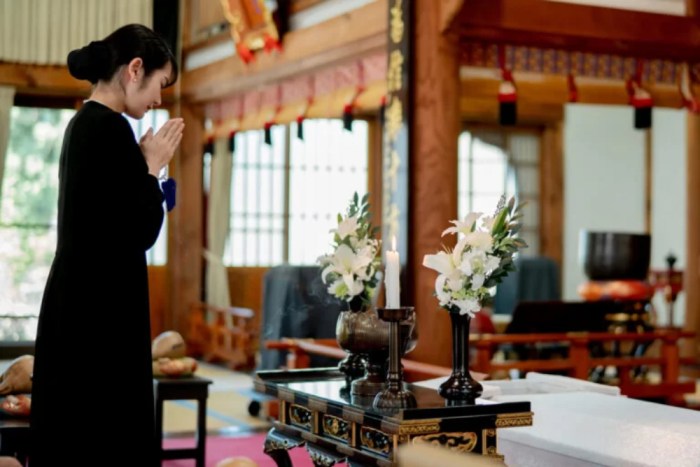
A comparison of memorial practices reveals fascinating contrasts. In many Western societies, memorial services often involve formal religious or secular ceremonies, followed by burial or cremation. The focus is frequently on celebrating the life of the deceased and providing comfort to the bereaved. In contrast, some Asian cultures, particularly in East Asia, emphasize ancestor veneration through elaborate rituals, offerings of food and incense, and the maintenance of family gravesites.
These practices underscore the importance of familial continuity and the enduring bond between the living and the deceased. In certain indigenous cultures, memorial practices may involve elaborate ceremonies, including the creation of spirit houses or the performance of traditional dances and songs, intended to guide the deceased’s spirit to the afterlife and ensure their continued well-being.
The Day of the Dead in Mexico
The Day of the Dead (Día de Muertos) in Mexico provides a poignant example of a vibrant and emotionally rich memorial practice. This multi-day celebration, occurring on November 1st and 2nd, is not a somber occasion of mourning, but rather a joyful reunion with deceased loved ones. Families construct elaborate altars, or
- ofrendas*, in their homes, adorned with photographs of the departed, their favorite foods and drinks, marigolds (believed to guide spirits), candles, and personal items that evoke memories. The atmosphere is festive, with vibrant colors, music, and storytelling creating a space where the living and the dead symbolically coexist. The
- ofrenda* is not simply a decorative display; it is a sacred space where families connect with the deceased, sharing stories, laughter, and memories, reaffirming the enduring bond that transcends death. The emotional significance lies in the celebration of life, the reaffirmation of familial ties, and the acknowledgment of the cyclical nature of life and death. The spiritual aspect is rooted in the belief that the spirits of the departed return to visit their families during this time, strengthening the connection between the living and the dead, and reinforcing the community’s collective memory.
Mourning and Grief Rituals
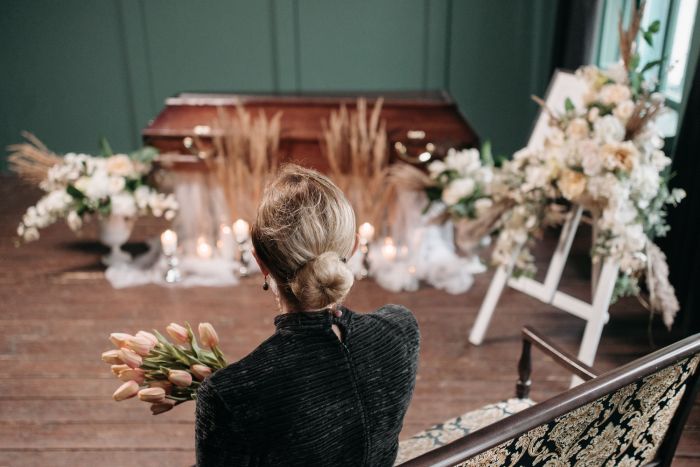
Mourning rituals, practices surrounding death and bereavement, are profoundly diverse across cultures, reflecting unique beliefs about the afterlife, the nature of the soul, and the social fabric of communities. These rituals serve not only to express grief but also to provide a structured framework for navigating the intense emotional and social upheaval caused by loss. They offer a path toward healing and acceptance, facilitating the transition from grief to remembrance.The expression of grief varies significantly across cultures.
While some cultures emphasize outward displays of emotion, such as wailing or public mourning ceremonies, others prioritize quiet reflection and private grieving. The duration of the mourning period also differs, ranging from a few days to years, and the specific rituals performed can be highly specific to a particular group or family. Common threads, however, include practices designed to honor the deceased, support the bereaved, and facilitate a return to a sense of normalcy.
Community and Family Support in Grieving
Community and family play a vital role in navigating the grieving process. In many cultures, a strong social support network is considered essential to helping the bereaved cope with their loss. This support can manifest in various ways, including providing practical assistance (such as preparing meals, managing household tasks, or caring for children), offering emotional comfort, and participating in mourning rituals.
The collective mourning process can create a sense of shared experience and alleviate the isolation often associated with grief. For example, in some indigenous communities, the entire village participates in mourning ceremonies, offering practical and emotional support to the bereaved family for an extended period. This collective support system helps to ease the burden of grief and fosters a sense of community resilience.
In contrast, some cultures may emphasize more private mourning, with support primarily coming from immediate family members. Even in these cases, the presence and support of close loved ones remains crucial for navigating the complexities of grief.
Rituals Facilitating Healing and Acceptance
Many cultures incorporate rituals specifically designed to facilitate healing and acceptance of loss. These rituals can take many forms, including memorial services, wakes, funerals, and post-bereavement ceremonies. These practices often involve symbolic acts, such as lighting candles, offering prayers, or performing specific dances or songs, which can help to process grief and provide a sense of closure. For example, in some cultures, the bereaved may engage in rituals aimed at symbolically releasing the spirit of the deceased, such as scattering ashes or placing offerings at a gravesite.
Other rituals may focus on celebrating the life of the deceased, sharing memories, and reaffirming the bonds of family and community. These practices offer a pathway toward accepting the reality of death and integrating the loss into one’s life narrative. The use of rituals can provide a sense of structure and meaning during a period of intense emotional upheaval, promoting healing and resilience.
The specific nature of these rituals varies widely across cultures, but their underlying purpose—to facilitate the grieving process and foster a sense of acceptance—remains consistent.
Death Dying
The process of dying, and the cultural interpretations surrounding it, are incredibly diverse across the globe. Understanding these variations reveals a fascinating tapestry of beliefs about the soul, the afterlife, and the appropriate ways to approach the end of life. These perspectives significantly shape how societies prepare individuals and their families for this inevitable transition.Different societies hold vastly different beliefs about the soul and what happens after death.
Some cultures believe in reincarnation, where the soul is reborn into a new life. Others envision a heaven or hell, a spiritual realm, or even an ancestor world where the deceased join their forebears. These beliefs profoundly influence the rituals and practices surrounding death and dying. For example, a culture believing in reincarnation might focus on ensuring a peaceful passing to facilitate a positive rebirth, while a culture emphasizing an afterlife judgment might prioritize confession and repentance in the final moments.
Cultural Perspectives on the Dying Process
The cultural understanding of the dying process significantly impacts how individuals are prepared for death. In some cultures, death is viewed as a natural and expected part of the life cycle, approached with acceptance and even celebration. Funerals might be joyous occasions, emphasizing the deceased’s life and legacy. In contrast, other cultures may view death with fear and anxiety, leading to practices aimed at avoiding or delaying the inevitable.
This can involve seeking aggressive medical interventions, even when prognosis is poor, or engaging in spiritual practices to ward off death. The level of openness about death also varies greatly, with some societies readily discussing death and dying while others avoid the topic altogether.
Preparing Individuals for Death and Dying
Preparation for death can take many forms. In some cultures, individuals actively participate in planning their own funerals and memorial services, ensuring their wishes are respected. This can include choosing specific readings, music, or even the location of their burial or cremation. In other societies, family members take on the responsibility of making these arrangements, guided by tradition and their understanding of the deceased’s wishes.
Advance care planning, such as creating a living will or appointing a healthcare proxy, is becoming increasingly common in many Western societies, allowing individuals to exert some control over their end-of-life care. However, in many other cultures, such formal planning is less prevalent, with decisions made more organically within the family structure.
Rituals and Practices Providing Comfort and Support
Many rituals and practices are employed to provide comfort and support to the dying and their families. These can include religious ceremonies, spiritual practices, family gatherings, and acts of remembrance. In some cultures, the family might gather around the dying person, offering prayers, singing hymns, or simply sharing memories and stories. Visiting the dying is often considered a sacred duty, allowing for reconciliation and expressing love and gratitude.
Traditional healers or spiritual leaders may also play a vital role, providing comfort, guidance, and spiritual support. The use of palliative care, focusing on pain management and comfort rather than cure, is increasingly recognized as a valuable approach to providing a peaceful and dignified death, though its accessibility varies greatly across the world.
Modern Transformations of Death Rituals: Death Rituals Around The World
The globalization of culture and the rapid pace of technological advancement have profoundly reshaped how societies approach death and mourning. Traditional death rituals, often deeply rooted in specific cultural and religious beliefs, are increasingly adapting or being replaced by practices reflecting modern values and technological capabilities. This evolution presents both challenges and opportunities for individuals and communities navigating the complexities of loss in the 21st century.
The shift is not simply about changing customs, but also about redefining the very meaning of death and remembrance in a rapidly changing world.Globalization and modernization have significantly impacted traditional death rituals in numerous ways. The increased mobility of populations has led to the blending of different cultural traditions surrounding death, resulting in hybrid practices. Simultaneously, the rise of secularism and individualism has challenged the dominance of religious frameworks in defining appropriate mourning behaviors.
In some instances, traditional rituals are being streamlined or simplified to fit modern lifestyles, while in others, they are being entirely abandoned in favor of more personalized approaches. For example, the elaborate funeral processions and extended mourning periods common in some cultures are increasingly being replaced by more concise and less publicly displayed ceremonies.
The Rise of Secular and Alternative Death Practices
The increasing secularization of many societies has led to a rise in secular or alternative death practices. These practices often prioritize personalization and individual choice, focusing on celebrating the life of the deceased rather than adhering strictly to religious or traditional protocols. Examples include humanist funerals, which focus on celebrating the deceased’s life and achievements through personal anecdotes and reflections, rather than religious dogma.
Natural burial, another growing trend, involves foregoing embalming and traditional caskets in favor of biodegradable materials and simpler interment methods that minimize environmental impact. These alternatives provide individuals with the agency to design a farewell that reflects their personal beliefs and values, regardless of religious affiliation.
Technology’s Influence on Modern Death and Remembrance
Technological advancements have fundamentally altered how we approach death and remembrance. Online memorials, for instance, allow individuals to share memories, photos, and videos of the deceased with a wider network of friends and family, transcending geographical limitations. Virtual funerals, though still less common, offer the possibility of attending services remotely, enabling participation for those unable to be physically present.
These digital spaces provide a lasting record of the deceased’s life and offer ongoing opportunities for remembrance and connection. Further, digital technologies are also used to create personalized keepsakes, such as digital photo albums or videos incorporating music and personal narratives. The integration of technology into mourning practices reflects a broader societal shift towards digital communication and the preservation of memories in digital formats.
Ethical Considerations in Death Rituals
The increasing globalization and interconnectedness of societies bring diverse death rituals into closer contact, highlighting the ethical complexities inherent in these practices. Navigating these complexities requires a nuanced understanding of cultural sensitivity, legal frameworks, and the potential for conflict between differing beliefs and practices. This section will explore some of the key ethical dilemmas arising from death rituals and the frameworks designed to address them.The ethical considerations surrounding death rituals are multifaceted and often deeply intertwined with cultural beliefs and legal regulations.
Respecting cultural diversity is paramount, yet balancing this with the need for public health and safety, and the potential for exploitation or harm, presents significant challenges. Furthermore, the evolving legal landscape regarding end-of-life care and the disposition of remains necessitates ongoing dialogue and adaptation of existing frameworks.
Respecting Cultural Diversity in Death Practices
The diversity of death rituals across cultures is vast, encompassing a wide spectrum of beliefs and practices. From elaborate funeral processions and cremation ceremonies to sky burials and traditional mourning periods, each ritual reflects unique cultural values and spiritual beliefs. Respecting these differences is crucial. For example, the practice of sky burial in Tibetan Buddhism, where bodies are left on mountaintops for scavenging birds, might be considered shocking or disrespectful by individuals unfamiliar with its spiritual significance.
However, understanding the deeply held religious and environmental beliefs underlying this practice is essential to avoid misinterpretations and potential conflicts. Ethical practice necessitates educating ourselves about diverse traditions and avoiding the imposition of one cultural perspective on another. This involves fostering open dialogue, promoting mutual understanding, and ensuring that individuals’ beliefs are respected, even if they differ significantly from our own.
Ethical Dilemmas in Organ Donation and Body Disposition
Organ donation presents a significant ethical dilemma, particularly when conflicting religious or cultural beliefs exist. Some religions may prohibit the removal of organs after death, while others may encourage it as an act of altruism. Balancing the potential to save lives through organ donation with the respect for individual and family beliefs requires careful consideration and sensitive communication.
Similarly, the disposition of bodies can raise ethical concerns. For example, the increasing popularity of cremation in some cultures clashes with the traditional burial practices of others, leading to potential conflicts within families or communities. These dilemmas necessitate the development of clear guidelines and ethical frameworks that accommodate diverse perspectives while prioritizing individual autonomy and respect for cultural traditions.
Legal and Societal Frameworks Regulating Death-Related Practices
Legal and societal frameworks play a vital role in regulating death-related practices, ensuring public health and safety, and preventing exploitation. Laws concerning the handling of remains, the legality of certain burial practices, and the regulation of funeral homes are examples of such frameworks. These regulations must be carefully crafted to balance the need for public protection with the respect for cultural and religious diversity.
The legal recognition of diverse burial practices, for instance, is crucial to avoid conflicts and ensure that individuals are able to practice their traditions without undue interference. However, the enforcement of these regulations must also be sensitive to the cultural contexts in which they operate, avoiding the imposition of inflexible rules that could infringe upon fundamental rights. Furthermore, societal norms and expectations regarding death and dying also play a significant role, shaping the acceptable practices within a given community.
The interplay between law, culture, and societal norms is complex and requires ongoing attention to ensure ethical and equitable outcomes.
In conclusion, the study of death rituals around the world reveals a compelling tapestry of human beliefs and practices. While methods and beliefs vary greatly, a common thread unites these diverse traditions: the profound human need to find meaning and solace in the face of mortality. The evolution of these rituals, influenced by modernization and globalization, highlights the enduring power of cultural heritage while simultaneously showcasing humanity’s capacity for adaptation and innovation in confronting death and loss.
FAQ Summary
What is the most common burial method globally?
While varying regionally, ground burial remains a prevalent method worldwide, though cremation is increasing in popularity in many areas.
Are there death rituals without religious ties?
Yes, many secular or humanist ceremonies focus on celebrating the life of the deceased and providing community support for grieving families, without religious components.
How do modern technologies impact death rituals?
Technology influences death rituals through online memorials, virtual funerals, DNA preservation, and digital archiving of memories and legacies.
What ethical considerations arise regarding death rituals?
Ethical dilemmas may involve the cost of funerals, environmental impact of burial practices, cultural sensitivity in handling remains, and equitable access to respectful end-of-life care.