Planning for death: what to do is a topic often avoided, yet crucial for ensuring peace of mind and providing for loved ones. This guide offers a comprehensive overview of the essential steps involved in planning for the end of life, covering legal and financial matters, healthcare decisions, funeral arrangements, emotional preparation, and even your digital legacy. We’ll explore practical strategies to navigate these often challenging aspects, empowering you to make informed choices and leave a lasting positive impact.
From drafting a will and establishing a trust to pre-planning funeral arrangements and communicating end-of-life wishes, we’ll demystify the process, offering clear explanations and practical advice. We’ll also address the emotional and spiritual aspects of preparing for death, providing resources and coping mechanisms to support you and your family during this significant life transition.
Legal and Financial Planning
Planning for your death extends beyond funeral arrangements and memorial services. A crucial aspect involves securing your legal and financial affairs, ensuring a smooth transition for your loved ones and protecting your assets. This section will Artikel key steps to take in this critical area.
Creating a Will
A will is a legal document outlining your wishes for the distribution of your assets after your death. Without a will (dying “intestate”), the distribution of your property is determined by state law, which may not align with your personal preferences. The process typically involves consulting with an attorney to draft a document specifying your beneficiaries, executors (the person responsible for carrying out your wishes), and the distribution of your assets, including real estate, personal property, and financial accounts.
This ensures your assets are distributed according to your wishes, minimizing potential family conflicts and legal disputes. It is advisable to review and update your will periodically, particularly after significant life events such as marriage, divorce, birth of a child, or major asset acquisitions.
Establishing a Trust
A trust is a legal arrangement where one party (the grantor) transfers assets to a trustee, who manages those assets for the benefit of one or more beneficiaries. Establishing a trust involves defining the terms of the trust, identifying the trustee, and transferring assets into the trust. The grantor can specify how and when the assets will be distributed to the beneficiaries.
Trusts offer various benefits, including asset protection, tax advantages, and estate planning efficiency. The process often requires legal counsel to ensure the trust is properly structured and compliant with relevant laws.
Types of Trusts
Several types of trusts cater to different needs and circumstances. Revocable living trusts allow the grantor to change or revoke the trust during their lifetime, while irrevocable trusts are generally permanent and cannot be altered after establishment. A testamentary trust takes effect only after the grantor’s death, while a charitable remainder trust provides income to beneficiaries during their lifetime and transfers the remaining assets to a charity upon their death.
The choice of trust depends on factors like asset protection needs, tax implications, and desired control over asset distribution. For example, a high-net-worth individual might choose an irrevocable trust to minimize estate taxes, while someone with minor children might establish a trust to manage their inheritance until they reach adulthood.
Power of Attorney and Healthcare Directives
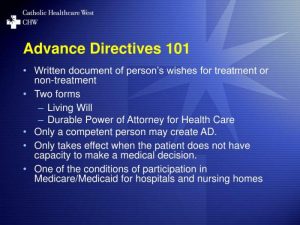
A power of attorney (POA) is a legal document authorizing another person (the agent or attorney-in-fact) to make financial and legal decisions on your behalf if you become incapacitated. A durable POA remains effective even if you become incapacitated, while a springing POA becomes effective only upon the occurrence of a specified event, such as incapacitation. Healthcare directives, such as living wills and advance healthcare directives, allow you to express your wishes regarding medical treatment should you become terminally ill or incapacitated.
These documents provide clarity and guidance to your family and healthcare providers, ensuring your preferences are respected. These directives are crucial for ensuring your end-of-life care aligns with your values and wishes.
Estate Lawyer vs. Online Will-Making Services
| Service Type | Cost | Benefits | Drawbacks |
|---|---|---|---|
| Estate Lawyer | $1,000 – $5,000+ (depending on complexity) | Personalized advice, customized legal documents, comprehensive estate planning, expert guidance on complex situations, greater legal protection. | Higher cost, potentially longer process. |
| Online Will-Making Services | $50 – $300 | Affordable, convenient, quick process, readily available. | Limited customization, may not address complex situations, less legal protection, potential for errors. |
Healthcare Decisions
Planning for your end-of-life care is a crucial aspect of comprehensive estate planning. It ensures your wishes regarding medical treatment are respected and allows your loved ones to navigate difficult decisions with clarity and peace of mind. Failing to plan ahead can lead to unintended consequences and unnecessary suffering for both you and your family.Advance healthcare directives are legal documents that allow you to express your wishes concerning medical treatment should you become incapacitated and unable to make decisions for yourself.
These documents provide a vital mechanism for maintaining control over your healthcare even when you are no longer capable of doing so. They also relieve the burden of making difficult choices from your loved ones during an emotionally challenging time.
Advance Healthcare Directives: Living Wills and Durable Power of Attorney for Healthcare
A living will Artikels your preferences regarding specific medical treatments, such as life support, feeding tubes, and pain management, should you be terminally ill or in a persistent vegetative state. It specifies the type of medical care you wish to receive or refuse under certain circumstances. A durable power of attorney for healthcare, on the other hand, designates a trusted individual (your healthcare agent) to make medical decisions on your behalf if you become unable to do so.
This agent acts as your surrogate decision-maker, guided by your known wishes and best interests. The key difference lies in their scope: a living will focuses on specific treatments, while a durable power of attorney empowers a chosen person to make all healthcare decisions. It’s important to note that both documents can—and often should—be used together to provide a comprehensive approach to end-of-life care planning.
Communicating End-of-Life Wishes to Family Members
Openly communicating your end-of-life wishes to your family members can be challenging, often due to emotional sensitivities and cultural norms. Many individuals avoid these conversations due to discomfort or fear of upsetting their loved ones. However, these discussions are vital for ensuring your wishes are respected and for providing your family with the necessary guidance to navigate your care.
Failure to communicate clearly can lead to misunderstandings, conflict, and ultimately, decisions that might not align with your preferences. For example, a family member might make a decision based on their own beliefs, rather than your clearly expressed desires, leading to regret and unresolved grief.
Essential Conversations with Loved Ones Regarding Healthcare Preferences
Before creating your advance directives, it’s crucial to have several key conversations with your family and chosen healthcare agent. These conversations should cover:
- Your values and beliefs regarding life-sustaining treatment.
- Your understanding of your medical conditions and prognosis.
- Your preferences for pain management and comfort care.
- Your wishes concerning organ donation.
- Your preferred location for end-of-life care (e.g., home, hospital, hospice).
- Your designated healthcare agent’s understanding of your wishes and their willingness to act as your advocate.
Creating a Personal Healthcare Record
A personal healthcare record serves as a centralized repository for all your vital medical information. This document is invaluable for ensuring your healthcare providers have access to a complete and accurate history, regardless of the circumstances. Creating one involves a step-by-step process:
- Gather your medical information: Collect all relevant documents, including doctor’s reports, test results, medication lists, and insurance information.
- Organize your information: Create a clear and organized system for storing this information, either physically in a binder or digitally in a secure file.
- Update regularly: Make it a habit to update your record whenever there’s a significant change in your health or medications.
- Share with your healthcare agent and family: Ensure your healthcare agent and family members have access to your updated personal healthcare record.
- Consider using a digital platform: Many secure online platforms allow for easy storage and access to your healthcare information.
Funeral and Burial Arrangements
Planning for your own funeral or that of a loved one can feel daunting, but addressing these arrangements proactively ensures your wishes are respected and minimizes stress for your family during a difficult time. This section will Artikel various options, the pre-planning process, cost considerations, and personalization possibilities.
Burial Options and Cremation
Burial and cremation represent the two primary methods of final disposition. Traditional burial involves interment in a cemetery plot, often within a casket. This option frequently includes a funeral service, viewing, and other ceremonial elements. Cremation, on the other hand, involves reducing the body to ashes through intense heat. The cremated remains (ashes) can then be kept in an urn, scattered, or placed in a niche within a columbarium.
The choice between burial and cremation often reflects personal beliefs, cultural traditions, and environmental concerns. Some families opt for green burials, which emphasize minimal environmental impact through biodegradable caskets and natural burial grounds.
Pre-Planning Funeral Arrangements
Pre-planning funeral arrangements provides significant benefits. It allows you to express your wishes directly, ensuring your preferences are followed. This process typically involves selecting a funeral home, choosing a burial or cremation option, selecting a casket or urn (if applicable), and determining the details of the service, such as music, readings, and speakers. You can also pre-pay for services to alleviate financial burdens on your family.
Many funeral homes offer detailed pre-planning packages that Artikel all the choices and associated costs. This proactive approach allows for informed decision-making, minimizing emotional stress during a time of grief for your loved ones.
Personalized Funeral Services
Modern funeral services offer considerable scope for personalization. Services can be tailored to reflect the deceased’s life, hobbies, and passions. For example, a lifelong sailor might have a nautical-themed service with sea shanties and a scattering of ashes at sea. An avid gardener might have a service in a garden setting, with flowers and plants playing a central role.
Personalized elements can include unique readings, musical selections, slideshows of photos and videos, and even themed receptions. These personalized touches create a meaningful and memorable tribute to the deceased.
Costs Associated with Funeral Arrangements
Funeral costs vary significantly depending on several factors. These include the chosen method of disposition (burial or cremation), the type of casket or urn, the location and services of the funeral home, and the complexity of the service. Additional expenses might include embalming, viewing, transportation, memorial cards, flowers, and cemetery plots or interment fees. A simple cremation can cost significantly less than a traditional burial with a casket and elaborate funeral service.
Obtaining multiple quotes from different funeral homes is advisable to compare pricing and services. It is essential to be aware of potential hidden costs, and to carefully review all documentation before making any commitments.
Sample Funeral Expense Budget
| Expense Category | Estimated Cost | Notes | Alternatives |
|---|---|---|---|
| Funeral Home Services | $3,000 – $10,000 | Varies widely based on chosen services | Consider a direct cremation with minimal services |
| Casket/Urn | $1,000 – $5,000+ | Cost depends on material and design | Choose a simpler, less expensive option; consider a biodegradable option |
| Burial Plot/Niche | $1,000 – $5,000+ | Cemetery prices vary widely by location | Consider cremation, scattering ashes, or a less expensive cemetery |
| Flowers | $200 – $1,000+ | Cost depends on the number and type of arrangements | Reduce the number of floral arrangements; consider potted plants or donations to charity |
| Memorial Service/Reception | $500 – $3,000+ | Costs include venue rental, catering, etc. | Consider a smaller, more intimate gathering; hold the reception at home |
| Other Expenses (e.g., death certificates, transportation) | $500 – $1,500 | These costs can add up quickly | Plan carefully to minimize unnecessary expenses |
Emotional and Spiritual Preparation
Planning for death extends beyond the practicalities of legal and financial arrangements. Addressing the emotional and spiritual aspects is equally crucial for ensuring a peaceful transition and providing support for loved ones left behind. This involves acknowledging the complex feelings associated with mortality and developing strategies to navigate grief, while also considering one’s spiritual beliefs and legacy.
Coping Mechanisms for Grief and Loss
Grief is a deeply personal experience, manifesting in diverse ways. Common reactions include sadness, anger, guilt, and denial. Effective coping mechanisms involve acknowledging these feelings without judgment, allowing oneself time to grieve, and seeking support from others. This might involve journaling, engaging in creative expression like art or music, or practicing mindfulness and meditation to manage overwhelming emotions.
Professional counseling can provide invaluable guidance and tools for processing grief in a healthy manner. Support groups offer a safe space to connect with others who understand the experience of loss.
Resources for Emotional Support
Numerous resources exist to provide emotional support during the grieving process. These include grief counseling services offered by hospitals, hospices, and mental health clinics. Online platforms and helplines provide anonymous access to trained professionals who can offer guidance and empathy. Many religious organizations offer pastoral care and spiritual guidance, providing comfort and support tailored to individual beliefs.
Self-help books and workshops focusing on grief management can also be beneficial. Remember, seeking professional help is a sign of strength, not weakness.
Spiritual Preparation for Death
Spiritual preparation for death varies greatly depending on individual beliefs and values. For some, it may involve strengthening their faith through prayer, meditation, or participation in religious rituals. Others may find solace in connecting with nature, spending time reflecting on life’s experiences, or engaging in acts of kindness and generosity. The goal is to find a sense of peace and acceptance regarding one’s mortality and to prepare for whatever comes next, according to one’s personal belief system.
This preparation can offer comfort and meaning during a difficult time.
Leaving a Legacy for Future Generations
Leaving a legacy involves creating something that will endure beyond one’s lifetime. This could take many forms, such as writing a memoir, creating a family history, establishing a scholarship fund, or contributing to a charitable cause. Planting a tree or leaving behind a cherished collection can also serve as a tangible reminder of one’s life and values. Sharing wisdom, life lessons, and cherished memories with loved ones ensures a lasting impact on future generations.
The act of creating a legacy can provide a sense of purpose and fulfillment in the face of mortality.
Activities Promoting Emotional Well-being During Times of Stress, Planning for death: what to do
Preparing for death and dealing with the loss of a loved one can be incredibly stressful. Engaging in activities that promote emotional well-being is essential for navigating this challenging period.
- Regular exercise: Physical activity releases endorphins, which have mood-boosting effects.
- Mindfulness and meditation: These practices help to calm the mind and reduce anxiety.
- Spending time in nature: Connecting with the natural world can be restorative and calming.
- Connecting with loved ones: Social support is crucial during times of grief and stress.
- Engaging in hobbies and creative activities: These can provide a sense of purpose and accomplishment.
- Getting sufficient sleep: Adequate rest is essential for both physical and mental health.
- Maintaining a healthy diet: Nourishing your body with healthy foods can improve your overall well-being.
- Seeking professional help: Don’t hesitate to reach out to a therapist or counselor if you’re struggling.
Planning for death is not about dwelling on the inevitable; it’s about taking control and ensuring your wishes are respected. By thoughtfully addressing the legal, financial, healthcare, and emotional aspects of end-of-life planning, you can alleviate stress for your loved ones and create a legacy that reflects your values and priorities. This guide provides a roadmap, but remember to seek professional advice when needed, tailoring your plan to your unique circumstances and ensuring a peaceful transition for yourself and those you leave behind.
Questions Often Asked: Planning For Death: What To Do
What if I don’t have much money?
Even with limited resources, basic estate planning is vital. Consider a simple will and exploring free or low-cost options for online will creation or seeking legal aid.
How often should I review my will and other plans?
It’s recommended to review your will and other plans at least every 3-5 years, or whenever significant life changes occur (marriage, divorce, birth, death, major asset changes).
What if I change my mind about my end-of-life wishes?
Advance directives, such as living wills and healthcare powers of attorney, can be updated or revoked at any time while you have the capacity to do so. It’s important to clearly communicate any changes to your loved ones and healthcare providers.
Who should I tell about my end-of-life plans?
Share your plans with your immediate family, healthcare providers, and anyone you’ve designated as power of attorney. Consider keeping a copy of your documents in a safe and accessible location.